


The recovery process for eating disorders and substance use involves every member of the treatment team. However, strong clinical leadership creates the foundation that ensures every aspect of care functions effectively. High-quality clinical leadership often leads to stronger outcomes across the entire team. Clinical leadership ensures that patient care remains the top priority and that treatment plans are thoughtful, individualized, and aligned with best practices.
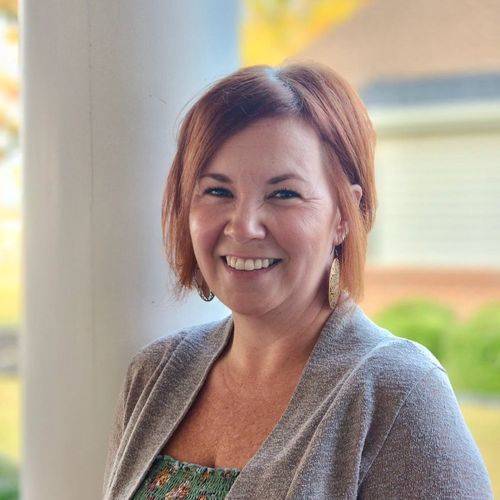
At Focus Treatment Centers, Bonnie Watson, Director of Clinical Services, plays a key role in establishing this standard. Her leadership has had a meaningful impact on patients and has helped shape the level of clinical care throughout her time at Focus. Since 2009, Bonnie has served in multiple roles within Focus Treatment Centers, including admissions and clinical services. These experiences have allowed her to see addiction and recovery from a wide range of perspectives, giving her a more nuanced understanding of how clinical care impacts patients.
Bonnie shares, “Having the opportunity to serve in multiple roles across the organization provided me with a comprehensive perspective on patient care, ultimately leading me to my current role as Director of Clinical Services.” Her broad experience allows her to maintain strong clinical leadership and make informed decisions around patient treatment.
Clinical excellence is supported through a variety of therapy and treatment options. Care is approached using a whole-person model combined with evidence-based treatment, ensuring that the physical, emotional, and psychological needs of each patient are recognized and addressed. At Focus Treatment Centers, clinicians utilize evidence-based modalities such as Cognitive Behavioral Therapy (CBT), Dialectical Behavior Therapy (DBT), and Acceptance and Commitment Therapy (ACT) to provide a strong clinical foundation for care. Treatment decisions are guided by each patient’s individual needs. This individualized, holistic approach gives patients the best opportunity to achieve meaningful and lasting recovery, supporting changes that extend well beyond their time in treatment.
A combination of traditional and experiential therapies is often incorporated into treatment plans. This approach supports not just one aspect of the patient, but promotes full, holistic recovery. In her role as Clinical Director, Bonnie emphasizes the importance of evidence-based care, noting that it provides consistency, reliability, and proven outcomes. She explains, “The therapies and interventions we use are grounded in research and have been proven effective through clinical studies and real-world outcomes. These approaches are not based on opinion or trends, but on methods that have consistently shown positive results for individuals struggling with substance use and eating disorders.”
A strong, research-based plan of care is essential to creating the best opportunity for healing and recovery. While evidence-based care provides structure, it must also be paired with individualized treatment. Not every patient is the same. Even when diagnoses appear similar, everyone brings unique experiences, personality, and preferences into treatment. A one-size-fits-all approach is not effective. Bonnie explains, “Every patient has their own unique background and perspective, which impacts their needs and their experience in treatment.”
This is why a whole-person approach is critical. Treatment plans must be tailored to each individual to support meaningful recovery. This approach becomes even more important when working with patients who experience both eating disorders and substance use. These conditions are often deeply intertwined, and effective care requires treating both simultaneously. Bonnie explains, “Without addressing both conditions at the same time, the underlying drivers of each can remain unresolved. By offering integrated care, clinicians can provide more comprehensive and effective treatment.”
Through a combination of evidence-based care and a whole-person approach, Bonnie helps guide integrated treatment decisions and ensures consistency across the clinical team. The integration of traditional and experiential therapies further strengthens treatment, supporting patients across all aspects of recovery.
Throughout her time at Focus, Bonnie’s work has had a clear and lasting impact on patients and their families. Her leadership allows the clinical team to support each patient through effective, compassionate care. She shares, “Watching individuals move from a place of merely surviving to fully engaging in and enjoying their lives is an incredible privilege. Seeing people rediscover hope and rebuild their lives makes this work deeply meaningful and fulfilling.”
Bonnie’s leadership plays a vital role in patient recovery. Her commitment to individualized care and clinical excellence helps create a supportive environment where patients can heal and move forward.