


The Part of Treatment Providers Don’t Always Get to See
In the process of recovery, whether from substance use or eating disorders, taking the first step to seek support can be immensely difficult. Recognizing needs and taking deliberate action to receive treatment is an emotionally and mentally exhaustive process, which necessitates a responsive and understanding admissions team as a starting point of recovery. An effective, stable team can make all the difference in a patient's overall recovery journey.
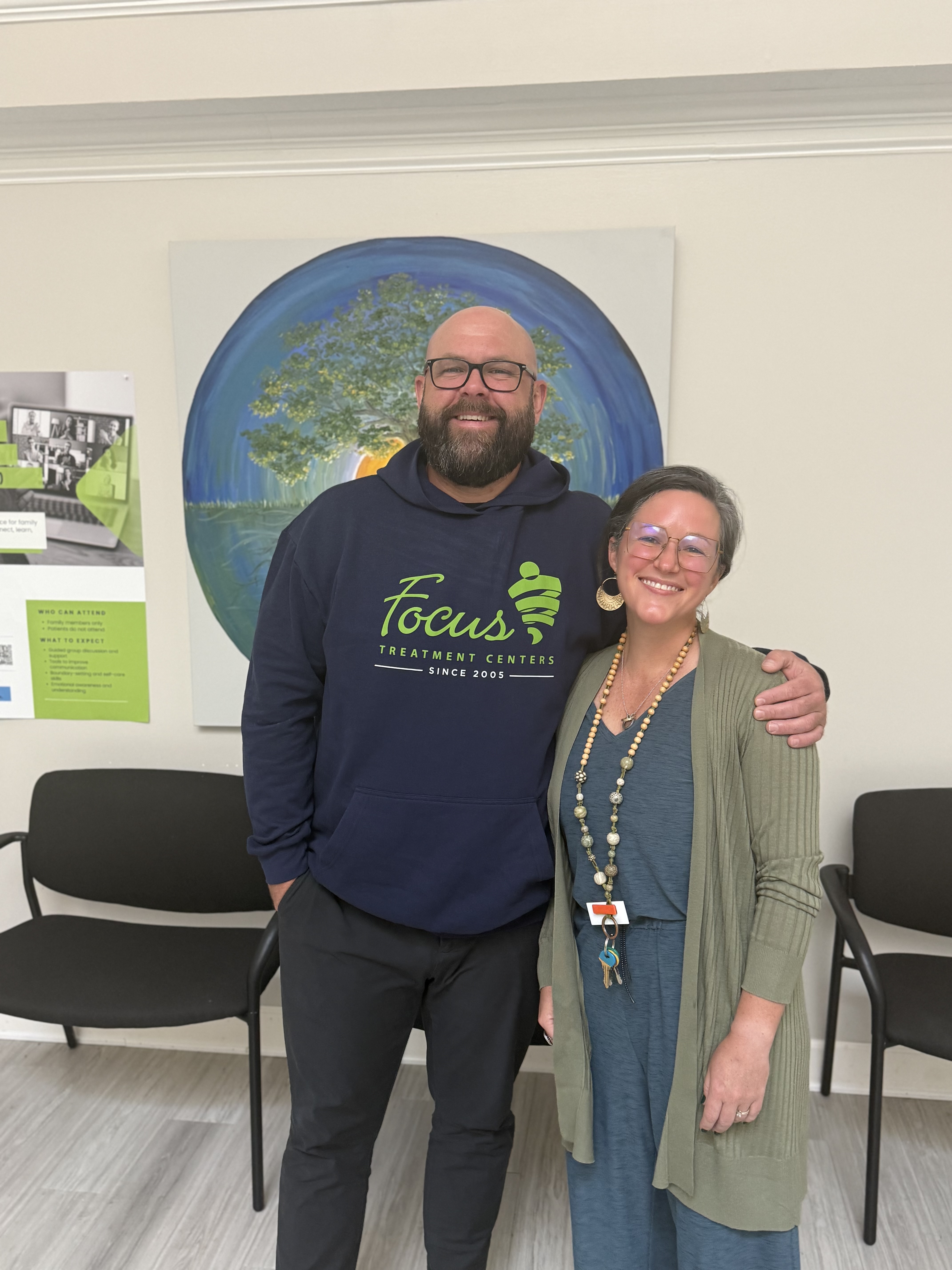
Admissions is the first point of contact for individuals seeking support and treatment. They take initial calls and perform various assessments to fully understand the different needs of each patient. An admissions team guides patients through the beginning stage of recovery, from the first call to the start of the treatment plan. Dan Presbitero, admissions director at Focus Treatment Centers, says, “The most important aspect of my job is making sure patients are admitted to the appropriate level of care quickly and compassionately.” Dan and his team play an incredibly vital role in the recovery process, not only as a starting point, but also in managing the timing of referrals to treatment. At this stage, timing and momentum are key to facilitating recovery. Dan’s work in ensuring efficiency throughout the beginning stage of recovery expedites the patient’s access to care, support, and counseling. Admitting a patient quickly ensures that they will receive the immediate care and support they need.
As admissions director, Dan takes first calls and handles admissions decisions alongside the clinical team. Sometimes these calls don’t result in admittance. Even so, these early conversations with individuals battling substance use or eating disorders can be highly impactful. Dan states, “Even if the admission does not happen, our conversations with patients let them know that there are people willing to listen without judgment and they are not alone. It further plants the seed that recovery is possible and that help is truly available when they are ready to seek it.” As the first point of contact for patients, Dan and his team are able to change lives and foster change simply through conversations. Even if these conversations don’t produce immediate results they are an encouragement and source of hope for individuals who are struggling.
After these initial conversations and calls, the admissions and clinical team determine the level of care required to meet the patient's needs. To help with these decisions, Dan utilizes and considers multiple criteria including, “...the patient's last use, substance use history, and treatment history…” Additionally, he considers the various effects substance use is having on the patient's family, home life, and overall health. The necessary consideration in the admissions process creates clarity for the treatment recommendations Dan consults with the medical team. The criteria that Dan and the teams incorporate into their decisions can ensure that each patient receives the proper care and treatment for their individual recovery.
The recovery of the patient is the primary goal from referral to treatment, meaning that the provider’s opinion and records are also a supporting factor in admission and treatment decisions. According to Dan, “When working with providers who refer their patients to us, we are able to get records to provide continuity of care, which also allows us to keep the providers informed on aftercare plans.” Determining treatment requires coordination and collaboration between
providers, admissions, and clinical staff. The admission team's goal is to be a supporting voice to the opinions of the provider so that the patient receives the treatment best suited for their needs.
The needs of patients struggling with eating disorders compared to substance use oftentimes present themselves differently, allowing for clearer treatment decisions. However, there is added complexity when a patient is dealing with both an eating disorder and substance use. It is common for these two conditions to co-occur, as they are often rooted in similar issues surrounding mental health, but they require varying responses and treatment. Integrated care is a plan specifically designed for patients who are struggling with both conditions.
In admissions, Dan reviews patient history regarding eating disorders and substance use to determine with the clinical team if integrated care is what the individual needs. When considering integrated care, the admission process can be more nuanced, as these co-occurring conditions don’t express themselves to the same degree in each patient; meaning each individual's needs are different. Due to this, Dan says, “Understanding the needs of potential [integrated care] patients is as simple as determining whether their primary issue is substance abuse or eating disorders.” Through establishing a foundation for integrated care decisions, Dan and his team ensure that each patient is wholly understood and supported as they go through referral, admissions, and treatment.
A contributing factor to patient support in admissions is first hand experience in recovery, whether from substance use or eating disorders. At Focus, Dan and his team have lived recovery experiences, which allows them to share a more profound understanding of each patient’s life and struggles. Dan claims, “Our admissions team members that are in recovery themselves can connect with patients on a deeper level. We have been on the other end of these phone calls which allows us to have a greater insight into how potential patients feel and what they are experiencing.” These shared experiences have a significant impact on patients, as they can see they are not alone in their struggles. As an admission director, Dan’s experiences in recovery foster an environment where patients can feel supported and understood so that they can begin their own recovery journey.
Dan’s dedication to his work as admissions director is immensely important to the whole process of recovery. Dan states, “Hands down, the most rewarding aspect of the job is seeing the difference between when a patient is admitted compared to how they look when they discharge. Seeing life back in their eyes and their positive demeanor is very special.” As the first point of contact, his work impacts each individual’s recovery and shows them that change is possible. Through Dan and his admission team's commitment to recovery, patients can take the first steps towards change and a better quality of life.